Not into the 9-to-5?

The most beautiful workplace above the clouds

Connecting the world.

The pilot profession – a career with responsibility and real prospects

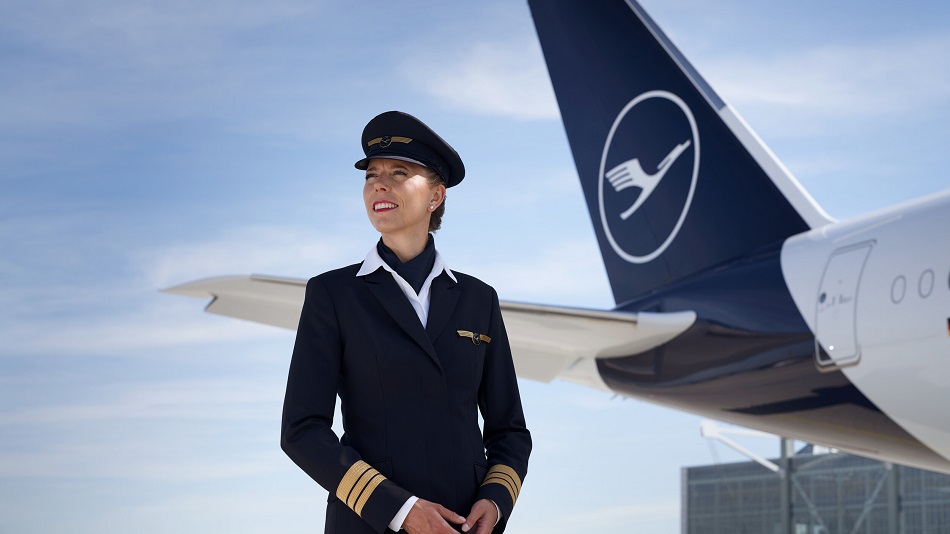
The pilot profession is one of the most varied and responsible careers there is. You operate in a highly complex environment shaped by modern technology, international teams and global mobility.

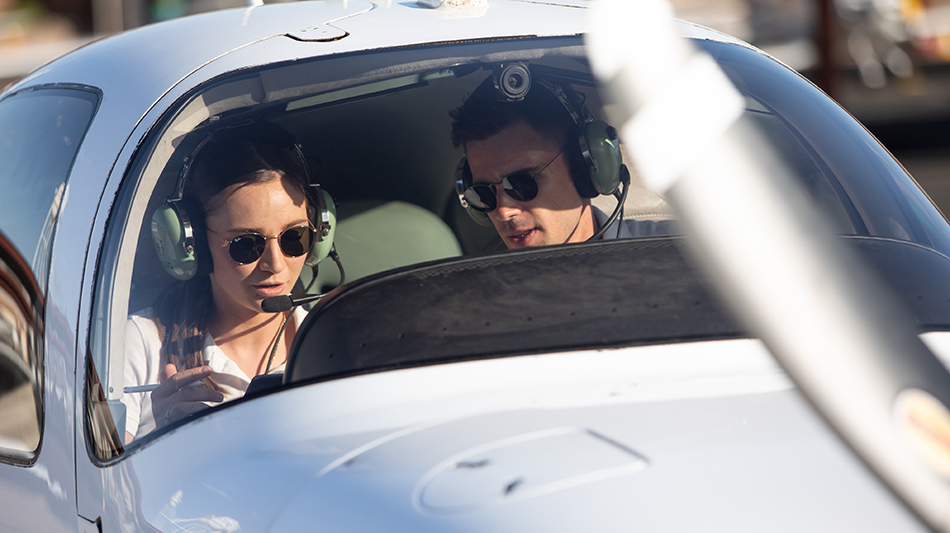
State-of-the-art cockpit systems, digital assistance systems and precise data form the basis for your decisions. During your training, you learn to understand them with confidence and use them purposefully. At the same time, no two flights are ever the same: new destinations, new people and changing challenges provide variety. It is precisely this combination of responsibility, technology and internationality that makes the profession so special for many.

The possible career paths after your training are equally varied. The Lufthansa Group is one of the world’s largest aviation companies and brings together the long-established flag carriers Lufthansa, Austrian Airlines and SWISS, younger brands such as Eurowings, Discover Airlines, Edelweiss and Brussels Airlines, as well as the regional airlines Lufthansa City Airlines and Air Dolomiti. Lufthansa Cargo is also part of the Group.

After successfully completing your pilot training at the European Flight Academy, you have excellent prospects of a cockpit job at one of the many Lufthansa Group airlines. As entry requirements may vary depending on the airline, you can find further information in the downloadable table.


What makes being a pilot so special

  • Taking responsibility: You make decisions that ensure safety and smooth operations — for both crew and passengers.
  • Understanding and managing technology: You work with state-of-the-art cockpit systems. Automation supports you, but you always maintain full awareness and control.
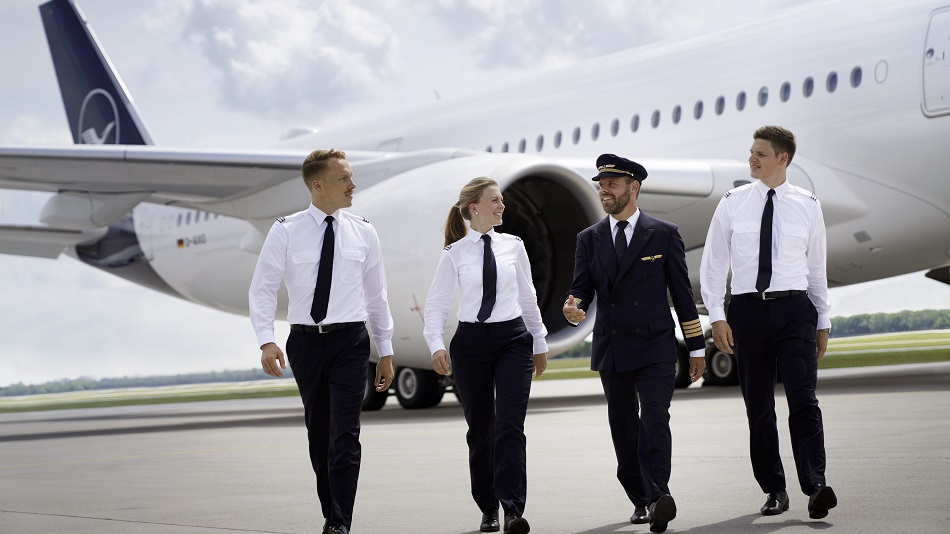
  • Working as a team: Flying is teamwork — in the cockpit, with the cabin crew and with ground crews around the world.
  • Experiencing variety: Different routes, cultures and situations make every working day varied and dynamic.

Why becoming a pilot is a dream career for many

Many pilots describe their profession not simply as a job, but as a passion. The moment of take-off, the view of the world from above and the teamwork in the cockpit make this career truly unique.

The interaction between people and cutting-edge technology is also part of what makes it so fascinating — you are an active decision-maker within the system.

A demanding profession — with many opportunities

The path to the cockpit and everyday life as a pilot also come with challenges: irregular working hours, high demands on concentration, intensive training and working with complex systems.

At the same time, these very demands enable continuous personal and professional growth.

What makes a good pilot

You don’t have to be a high-flyer from day one — but certain strengths will help you on your journey. Especially when it comes to working with technology, it’s not about already knowing everything. It’s about being ready to learn.

  • Teamwork and strong communication skills
  • A strong sense of responsibility
  • An interest in technology and systems
  • The ability to concentrate
  • Discipline and reliability
  • Openness to new situations and cultures

You will develop the necessary technical understanding step by step during your training.

Your very own flight plan 


The job of a pilot brings with it working hours that deviate from the standard nine-to-five working week – but that does not mean that you will have no private life to do the things that are important to you.

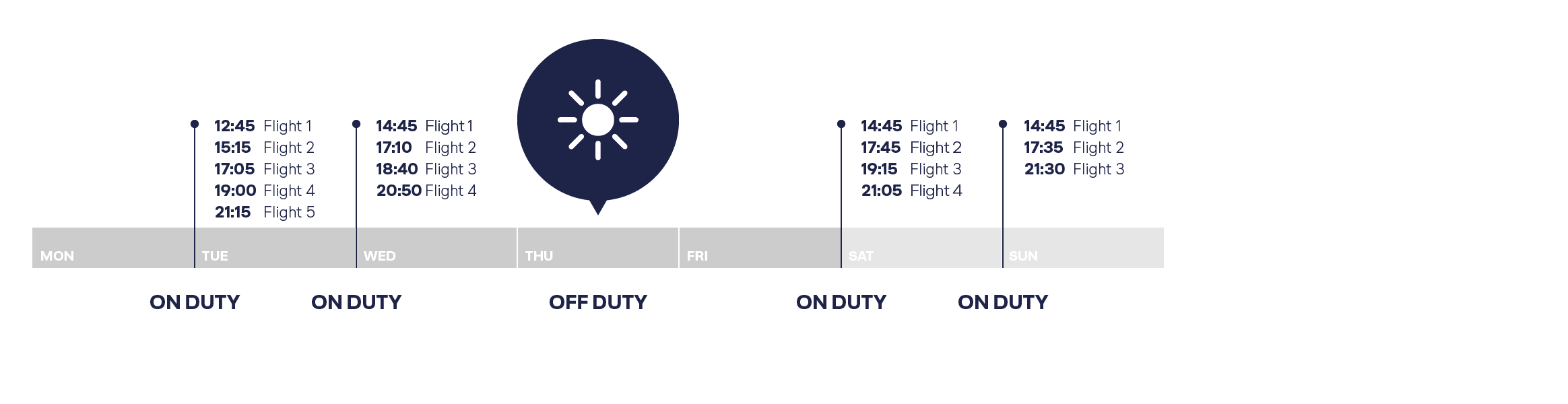
Short-haul flights

Several flights per day

prev
next
 Exemplary flight plan for short-haul routes.

You will fly several short-haul flights a day and will be back home in the early or late evening, depending on air traffic and destination. Alternatively, you will be able to experience different countries and cultures throughout Europe on shorter flight cycles. You will have a certain degree of control over your deployment and off-time schedule: You can, for example, request certain flight routes and deployment times. While many pilots’ ultimate goal is flying long-haul flights, there are, however, pilots who prefer the rhythm of the short-haul flight.

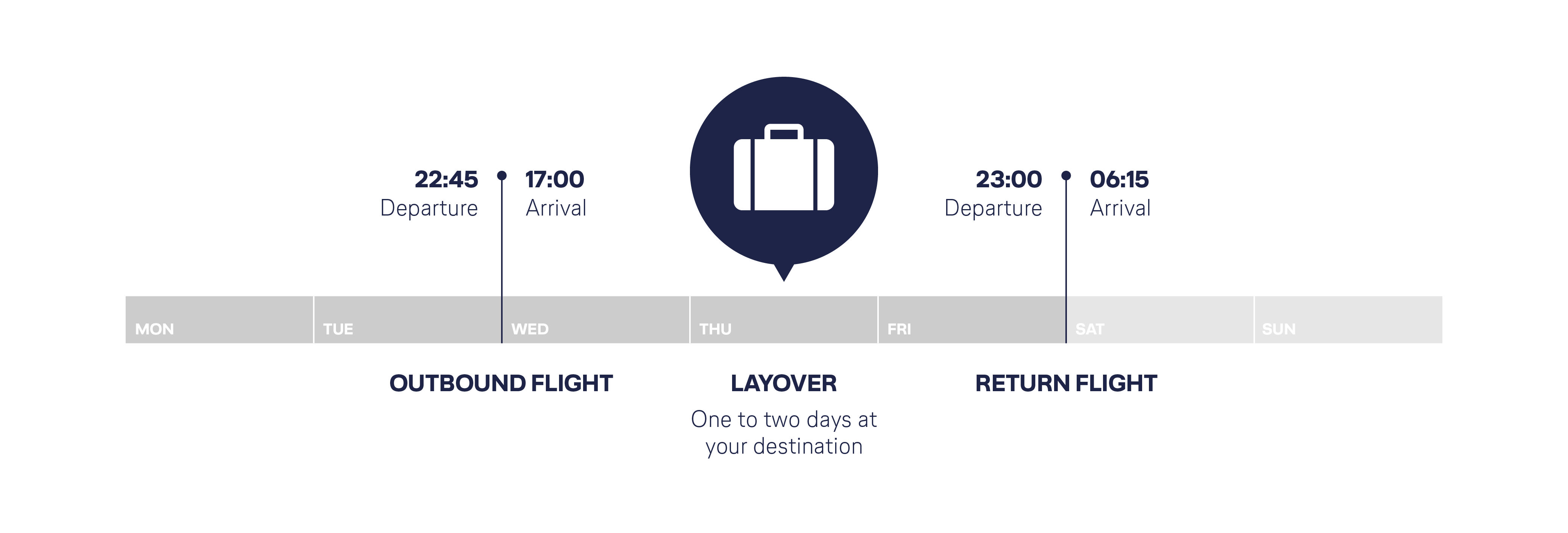
Long-haul flights

One to two flights per week

prev
next
 Representation of the course of a typical flight plan for long-haul operations.

The rhythm of long-haul flights: You will complete one or two long-distance flights and one return flight per week; in-between these flights you will have one day or more of down-time at your destination – time you can use to get to know cities and countries.

In addition, some airlines offer attractive part-time arrangements in order to facilitate the reconciliation of family and the work life of a pilot.

Career steps and further training

Always one step ahead

Pilots never stop learning. This is not only because of technical developments but also par for the course in a pilot’s career. The first type rating (an authorization entered on or associated with a pilot licence and forming part thereof, stating his privileges or limitations pertaining to certain aircraft type) will be issued, as a general rule, for short-haul and medium-haul aircraft such as the Airbus A320. After a few years the training for a change-over to a wide-body type will take place, after which the pilots can start flying long-haul flights. This process depends on the airline you start with.

A day in the life of a pilot

Glimpses of the everyday professional life of a Eurowings pilot

Heinrich, First Officer with Eurowings, offers you exciting insights into the day-to-day of our pilots.

Responsive Image

Other topics

You might also be interested in

Contact us

We are here for you